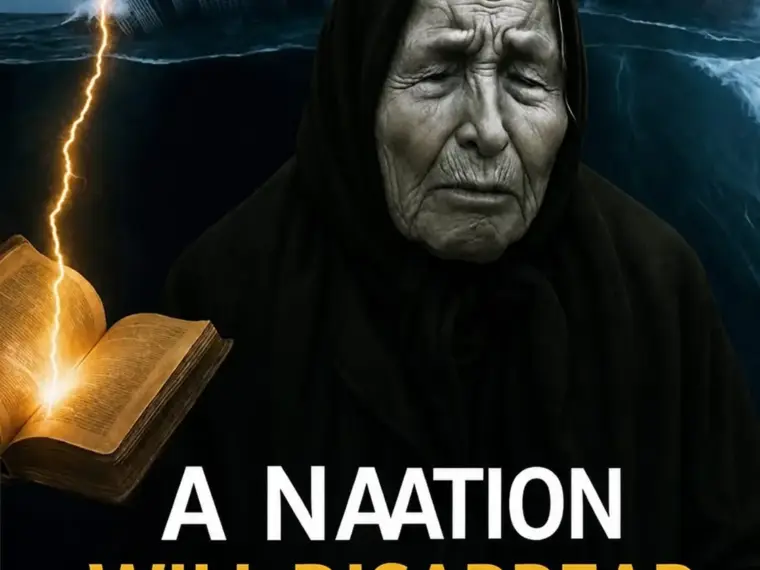
Among the elements typically mentioned in these interpretations, three main conditions stand out. First, the presence of water that rises from the subsoil, not from the sky. This concept has been linked to phenomena studied by modern , such as land subsidence or liquefaction , processes in which the soil loses stability due to changes in its composition or internal pressure
Secondly, it is a key coastal city , a strategic point linked to trade and maritime activity. The loss of an urban center of this kind would have global repercussions, both economic and social.
The third element refers to ignored warnings. Technical reports, data, and environmental signals that, for various reasons, do not receive the necessary attention. This aspect connects directly with current debates on risk management and urban planning in vulnerable areas.
Science
In recent years, several studies have confirmed that some regions of the planet are experiencing progressive subsidence . Factors such as groundwater extraction, intensive urbanization, and tectonic activity contribute to the gradual sinking of certain areas. This is compounded by rising sea levels, which increases the vulnerability of coastal
However, what distinguishes this interpretation of the prophecy is the idea of a sudden event. It wouldn’t be a slow change, but rather a situation that could develop in a short period of time, especially if multiple factors coincide. Some specialists mention the possibility of a chain reaction , where natural failures and human-made structures combine to generate a major impact.
In this context, different regions of the world have been identified as potentially vulnerable. Countries with low-lying areas, high population density, and dependence on coastal infrastructure frequently appear in these analyses. However, experts emphasize that these are theoretical scenarios that should be addressed through and prevention, rather than from a deterministic perspective
Beyond a literal interpretation, many believe these visions can be seen as a warning about the relationship between humanity and its environment. The idea of building in high-risk areas, altering ecosystems, or ignoring environmental signals is part of an ongoing debate about sustainable development.
In this regard, the importance of information and prevention is key. Understanding geological and climatic risks allows for more informed decision-making. Likewise, transparency in these risks by institutions is fundamental to building trust and ensuring adequate safety.
Urban planning also plays a central role. Designing cities with consideration for the natural environment and its limits can significantly reduce exposure to adverse events. This is further reinforced by the need to strengthen community preparedness , understood not only as infrastructure but also as education and social organization.
Beyond its origins, the renewed interest in this profession reflects a growing concern for the state of the planet. The possibility of abrupt changes in the natural environment is no longer perceived merely as a symbolic relationship, but as an issue that involves science, politics, and society as a whole.
Ultimately, rather than a definitive prediction, these interpretations encourage reflection on our relationship with the environment and the importance of anticipating risks. Understanding the signs and acting accordingly can make the difference between confronting a problem and being exposed to its consequences.