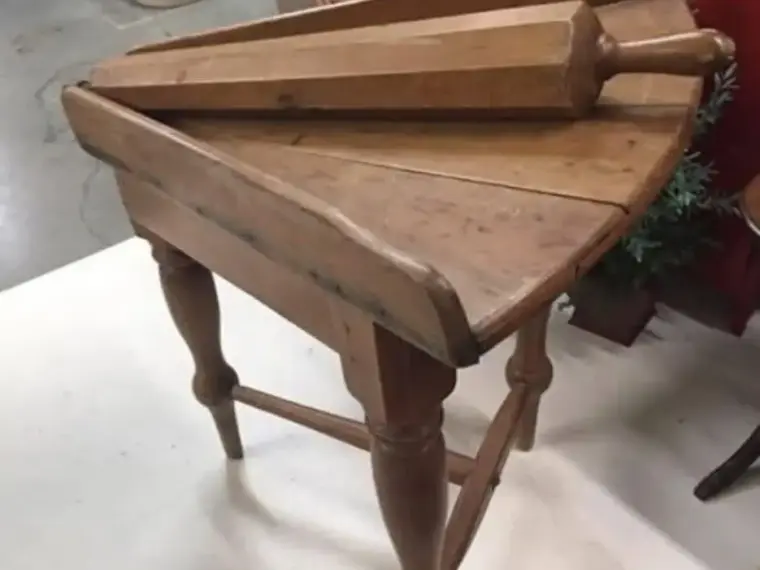
Reading about that butter worker, I could practically smell that salty cream-soaked wood and hear the soft, rhythmic clunk of the churn plunger. At 73, I’ve seen my share of vintage kitchen tools, but there’s something about the butter worker that just gets right in the heart.
Food photography guide
You’re absolutely right—it wasn’t just a tool. It was a time machine. It was the sound of patience, the feel of intention, and the taste of something made with love and a little bit of elbow grease.
The Kitchen Science (and Heart) of the Butter Worker
What your grandma knew—and what modern food science confirms—is that pressing out that buttermilk wasn’t just about preventing mold (though she was 100% correct about that!). It was about texture and preservation.
When you leave buttermilk in fresh butter, those water droplets create an environment where bacteria can thrive. By working it out with that ridged roller, you’re essentially creating a pure fat product that can last much longer without refrigeration. It’s the same principle behind clarified butter or ghee—removing the water and milk solids to create something stable and shelf-stable.
Vintage kitchenware
And that pinch of salt? Not just for flavor! Salt acts as a natural preservative, further protecting the butter from spoilage. Your grandma was a kitchen chemist, even if she didn’t call it that!
The Health Connection: Why Traditional Butter Matters
You know, as someone who’s deeply proactive about my circulation and keeping those unexplained purple blotches on my arms at bay, I’ve become fascinated by the difference between traditional, pasture-raised butter and the highly processed stuff we get at the grocery store.
When cows graze on fresh, green grass (like those cows your grandma’s butter came from), their milk is rich in:
-
- Omega-3 fatty acids (anti-inflammatory and wonderful for blood vessel health!)
- Vitamin K2 (essential for directing calcium to your bones and teeth, not your arteries)
- Conjugated linoleic acid (CLA) (linked to cellular defense and metabolic health)
Online Image Galleries
That golden color your grandma achieved with marigold petals? That wasn’t just for looks! Marigolds are packed with lutein and zeaxanthin, powerful antioxidants that support eye health and cellular protection. She was making her butter even more nourishing without even knowing the science behind it!
A Modern Twist: Making Your Own “Heart-Healthy” Butter
Since I have a strong personal preference for avocados and incorporate them into almost every single meal (even though my children absolutely do not share my liking for them, which just means I get to enjoy the whole batch!), I’ve found a wonderful way to honor that traditional butter-making spirit while supporting my circulation.
I make a 3-Ingredient Avocado-Infused Compound Butter that tastes like a hug from your grandma’s kitchen but is packed with heart-healthy monounsaturated fats:
Crafts
Ingredients:
- ½ cup (1 stick) high-quality, grass-fed butter (softened to room temperature)
- ¼ ripe avocado (mashed until completely smooth)
- 1 tablespoon fresh herbs (chives, parsley, or dill—whatever your grandma would have used!)
- A pinch of flaky sea salt
The Method:
Using a fork (or if you’re feeling nostalgic, a small wooden paddle!), mash the softened butter and avocado together until they’re completely combined and creamy. Fold in the fresh herbs and salt.
Educational Resources
The avocado adds those circulation-boosting fats while keeping the butter incredibly spreadable, even straight from the fridge. It’s perfect on warm, crusty bread, roasted vegetables, or melted over a beautiful piece of grilled fish.
The Bond That Butter Workers Created
What I love most about your piece is how you captured the human element. That butter worker wasn’t just about making food—it was about making memories. It was about kids learning patience, about hands working together, about the simple satisfaction of creating something from scratch.
In our modern world of instant gratification and pre-packaged everything, we’ve lost that deliberate pace. We’ve lost the feeling of “I made this.” And I think that’s why pieces like yours resonate so deeply—they remind us that the best things in life still require a little sweat, a little cream under your nails, and a whole lot of love.
If You Find One in an Antique Shop…
You’re absolutely right—stop. Touch it. Slide your fingers over those wood grooves darkened by decades of use. That butter worker has seen Sunday mornings and Wednesday afternoons. It’s felt the hands of women who woke before dawn to milk the cows, who chanted lullabies while they worked, who fed families through hard times and celebrated with them through good times.
Cooking & Recipes
And if you’re lucky enough to bring one home, don’t just display it. Use it. Make a small batch of butter (you can do it in a mason jar with heavy cream—no churn required!). Work it with that beautiful wooden roller. Add a pinch of salt and some fresh herbs. And as you do, think of all the generations who stood where you’re standing, doing the same simple, sacred work.
Thank you for sharing such a beautiful, evocative piece. It’s reminded me that the kitchen isn’t just a place to make food—it’s a place to make memories, to honor the past, and to nourish the people we love.
Do you still have your grandma’s butter worker? Or did you find one in an antique shop? I’d absolutely love to hear more about it! And if you ever want to try making your own butter (with or without the antique tool), I’m always here at my kitchen table with a cup of tea, ready to help.