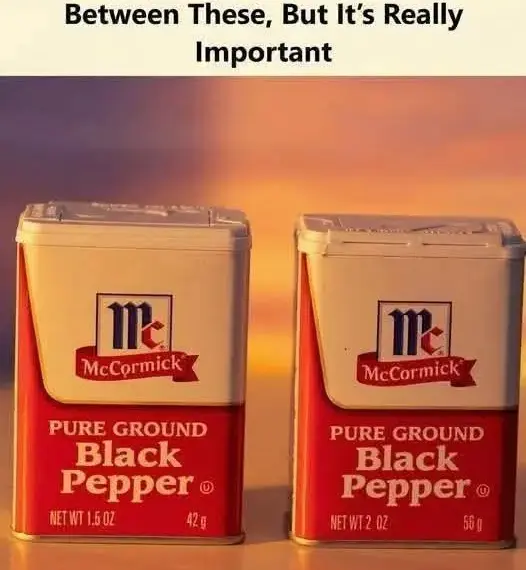
How Packaging Design Shapes What Shoppers Think They Are Buying
Packaging Can Influence a Purchase Before the Label Is Ever Read
For many shoppers, purchasing decisions happen quickly.
A familiar brand, a recognizable container, or a package that appears large enough can be enough to create an immediate impression of value.
That means packaging is doing more than protecting a product. It is also shaping what consumers believe they are getting before they stop to examine the finer details.
Container size, shape, color, familiarity and overall presentation can all influence how much product a shopper assumes is inside.
In busy stores, those visual signals often carry more weight than careful comparisons of measurements or labels.
Shoppers Often Use Shortcuts When Making Decisions
Most people do not study every package in detail before placing an item in their cart.
Instead, they rely on shortcuts.
A bottle that looks the same as the one purchased last month may be assumed to contain the same amount.
A box with familiar dimensions may feel like the same product even if the quantity printed on the label has changed.
This happens because visual recognition is fast.
Reading net weight, comparing unit prices and checking package dimensions requires more attention.
During a quick shopping trip, many consumers simply do not spend that extra time.
Container Size Strongly Affects Perceived Value
One of the most powerful visual cues is the overall size of the package.
Consumers naturally associate a larger container with a larger quantity.
If two products are displayed next to each other, the one with the bigger-looking package may appear to offer better value even when the actual quantities are similar.
This impression can become especially important when shoppers are already familiar with a particular package shape.
Once a certain bottle, box or tub becomes associated with a specific quantity, consumers may stop checking the amount printed on the label every time they buy it.
When the Package Looks the Same but Holds Less
Confusion can arise when the exterior package remains largely unchanged while the amount of product inside is reduced.
If the same container shape and general dimensions remain in use, a shopper may reasonably assume that the quantity has also remained the same.
The actual amount may still be printed correctly on the package.
However, the visual impression created by the container can remain stronger than the written information.
This creates a gap between what the shopper sees immediately and what the detailed label actually says.
Familiarity Can Reduce Careful Checking
Brand familiarity also plays an important role.
A shopper purchasing the same item repeatedly may develop a routine.
They recognize the logo, the package shape and the shelf position, then place the product in their cart without closely reviewing the details.
This is not necessarily carelessness.
It is simply an efficient way of shopping when consumers believe they already know the product.
Problems arise when the product changes but the familiar visual signals remain nearly identical.