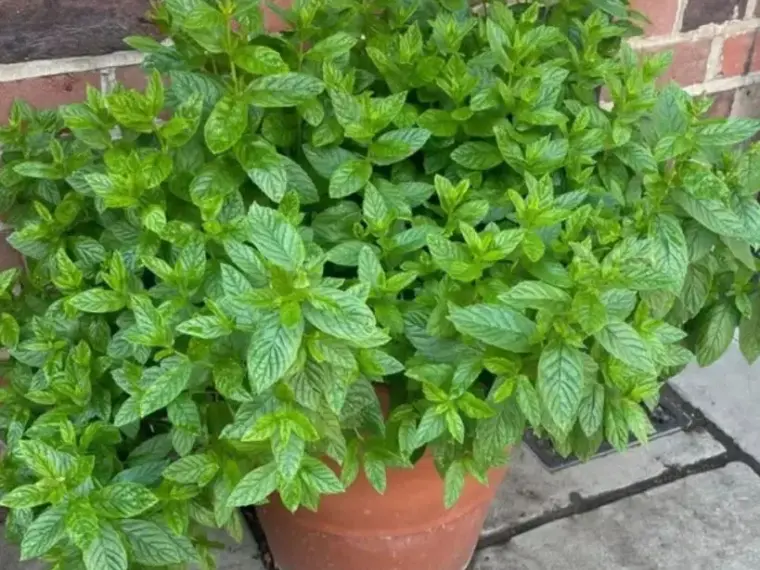
Placing a mint plant by your doorway serves as both a natural insect repellent and an inviting sensory experience for guests. The strong aroma that makes mint so popular in culinary applications also acts as a deterrent for mosquitoes, flies, ants, and other unwanted pests that might otherwise enter your home.
A potted mint plant at your entrance creates a pleasant aromatic barrier while adding a touch of greenery to your home’s exterior. This practical solution eliminates the need for chemical repellents while providing you with fresh herbs for cooking and beverages.
The convenience of growing mint in containers cannot be overstated, as it helps control this vigorous plant’s spreading tendencies. Its hardy nature makes it an excellent choice for both experienced gardeners and beginners looking to enhance their entryway with functional plantings.
Why Place a Pot of Mint at Your Door?
Placing a mint plant at your entryway serves multiple purposes beyond simple decoration. This aromatic herb offers practical benefits while carrying deep symbolic meanings that span cultures and generations.
Symbolic Meaning of Mint in Entrances
Mint at doorways traditionally symbolizes hospitality and welcome. The fresh, invigorating scent creates a positive first impression for visitors while signaling an inviting atmosphere.
In many belief systems, mint represents protection and prosperity. The plant is thought to attract positive energy and financial abundance when positioned at entrances. Some practitioners of feng shui recommend mint by doorways to promote the flow of wealth energy into the home.
The vibrant green color of mint leaves also symbolizes renewal and vitality. This visual reminder of growth and freshness can transform an ordinary entrance into a space that energetically prepares both residents and guests for positive experiences within the home.
Cultural and Historical Significance
Throughout history, mint has been valued across civilizations for its practical and symbolic properties. Ancient Romans adorned their tables with mint to welcome guests and stimulate conversation during meals. This practice eventually extended to placing mint at entrances.
In Mediterranean cultures, mint was believed to cleanse spaces of negative influences. Greek and Roman hosts would rub mint leaves on tables before guests arrived to create a pleasant atmosphere.
Medieval Europeans placed mint at doorways during times of illness, believing its strong aroma could ward off disease. This practice was especially common during plague outbreaks when mint was thought to purify the air.
Traditional Beliefs and Superstitions
Folk traditions suggest mint at doorways repels pests and unwanted energies. Many rural communities historically planted mint around entrances to deter mice, ants, and mosquitoes – a belief supported by modern science confirming mint’s natural repellent properties.
In some cultures, mint is considered a luck-bringing herb. Placing it at entrances supposedly attracts good fortune while blocking negative influences from entering the home. This belief remains particularly strong in parts of Eastern Europe and the Mediterranean.
Several magical traditions include mint in protection rituals. The herb is thought to:
Guard against evil spirits
Promote harmony among household members
Cleanse negative energies from visitors before they enter
Bring prosperity and abundance to the dwelling
These traditional beliefs continue to influence contemporary practices around home protection and energy management.
Benefits of Mint at Your Doorstep
Placing a pot of mint by your front door offers numerous practical advantages beyond its pleasant appearance. The aromatic herb serves multiple functions that can improve your home environment naturally.
Natural Pest Repellent
Mint contains strong essential oils that effectively deter many common household pests. Insects such as ants, flies, mosquitoes, and spiders typically avoid mint due to its potent scent. The natural compounds in mint leaves, particularly menthol, interfere with these pests’ sensory abilities.
For maximum effectiveness, position mint plants on either side of doorways where insects might enter. Fresh mint works better than dried varieties because it actively releases these repellent compounds into the air.
Many homeowners report significant reductions in ant trails and flying insect presence after placing mint at entryways. Unlike chemical repellents, mint offers a non-toxic alternative that’s safe for homes with children and pets.
Crushing or rubbing a few leaves occasionally enhances the repellent effect by releasing more essential oils.
Enhancing Air Quality
Mint plants naturally filter the air around your doorway. Their leaves absorb carbon dioxide and release oxygen through photosynthesis, creating a pocket of fresher air near entrances.
The herb also captures dust particles on its slightly sticky leaves, effectively reducing airborne particulates. This natural filtering can be particularly beneficial in urban areas or during high pollen seasons.
Mint’s antimicrobial properties help reduce airborne bacteria and germs. Studies have shown that mint essential oils can inhibit the growth of certain harmful microorganisms.
The plant acts as a natural deodorizer, neutralizing unpleasant smells that might enter your home. This creates a more pleasant transition from outdoor to indoor environments.
Aromatherapy Effects
Walking past mint releases its invigorating scent, providing an instant mood boost when entering or leaving home. The aroma has been scientifically proven to stimulate the mind and increase alertness.
Mint’s scent activates the hippocampus region of the brain, which controls mental clarity and memory. This makes it ideal for doorway placement where you need to remember items when leaving.
Key aromatherapy benefits include:
Stress reduction
Improved concentration
Headache relief
Enhanced energy levels
The cooling sensation associated with mint’s fragrance creates a psychological feeling of freshness. This effect is particularly welcome during summer months or in warmer climates.
Regular exposure to mint’s aroma may help reduce symptoms of anxiety and mental fatigue, according to several aromatherapy studies.
How to Successfully Grow Mint by Your Door
Growing mint by your door requires specific techniques to ensure it thrives while controlling its aggressive spreading habit. With the right variety, proper container, optimal placement, and consistent care, you can enjoy this versatile herb right at your entryway.
Choosing the Right Mint Variety
Spearmint (Mentha spicata) and peppermint (Mentha piperita) are excellent choices for doorway containers due to their hardiness and aromatic properties. Spearmint offers a sweeter, milder flavor ideal for culinary uses, while peppermint provides stronger fragrance that helps deter insects more effectively.
Other suitable varieties include:
Apple mint: Features fuzzy leaves with a fruity scent
Chocolate mint: Offers hints of chocolate aroma
Orange mint: Provides citrus undertones
Cold-hardy varieties like peppermint can withstand temperatures down to USDA zone 3, making them appropriate for northern climates. For warmer regions, Corsican mint creates an attractive ground cover with intense fragrance despite its smaller stature.
Ideal Potting Soil and Container Selection
Mint requires well-draining soil with sufficient organic matter. A mixture of 70% potting soil and 30% compost creates an ideal growing medium. The pH should range between 6.0-7.0 for optimal growth.
Containers must be at least 12 inches deep and wide to accommodate mint’s spreading root system. Material matters significantly:
Terracotta pots: Provide excellent drainage but dry out faster
Plastic containers: Retain moisture longer
Ceramic pots: Offer aesthetic appeal with moderate drainage
Always select containers with adequate drainage holes. For doorway placement, consider heavier pots that won’t tip over in windy conditions. A 5-gallon container can comfortably house 2-3 mint plants with room for growth.
Placement and Sunlight Requirements
Mint thrives in locations receiving 4-6 hours of morning sunlight with afternoon shade. Eastern-facing doorways often provide ideal conditions with gentle morning light and protection from harsh afternoon sun.
Position the container at least 1-2 feet from the door to allow for air circulation. This placement prevents mildew issues while keeping the plant accessible. During extreme temperature conditions, consider moving pots temporarily.
In hot climates, mint benefits from additional afternoon shade to prevent leaf scorching. Northern exposures may require supplemental grow lights during winter months to maintain vigor. For optimal pest-repelling benefits, place containers where air naturally flows through the doorway.
Watering and Maintenance Tips
Mint requires consistent moisture but not waterlogged conditions. The soil should feel like a wrung-out sponge – damp but not soggy. During summer, water every 1-2 days, while in cooler months, reduce to twice weekly.
Pruning schedule:
Trim back stems monthly during growing season
Remove flower buds to encourage bushier growth
Harvest outer stems first, leaving inner growth
Fertilize sparingly with half-strength balanced liquid fertilizer every 4-6 weeks during growing season. Excessive fertilization reduces essential oil production and aromatic qualities.
Dividing mint plants annually prevents overcrowding and maintains vigor. Simply remove the plant, divide the root ball into sections, and replant in fresh soil. This practice keeps doorway mint healthy and productive for years.