🥚 Fail-Proof Egg Custard: The Creamiest Old-Fashioned Dessert Anyone Can Make
There’s something timeless about a silky, homemade egg custard fresh from the oven. It’s warm, creamy, lightly sweet, and comforting in a way that modern desserts rarely are. Whether you grew up enjoying custard at grandma’s table or you’re discovering it for the first time, this fail-proof egg custard recipe is one you’ll come back to again and again.
Made with simple pantry staples like eggs, milk, sugar, vanilla, and nutmeg, this classic dessert transforms humble ingredients into something rich and luxurious. Best of all, this version is designed to be completely beginner-friendly. No curdling, no cracking, and no complicated techniques — just smooth, creamy perfection every time.
If you’ve ever wondered how to make homemade baked egg custard that turns out velvety and delicious, you’re in the right place.
🍮 What Is Egg Custard?
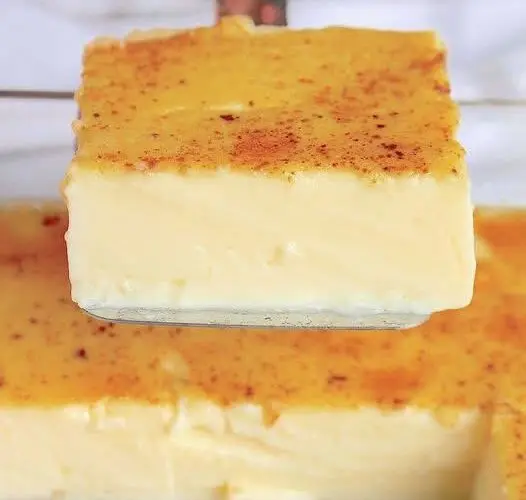
Egg custard is a traditional dessert made by gently baking a mixture of eggs, milk, sugar, and flavorings until it sets into a soft, creamy texture. It has been enjoyed for centuries across many cultures and remains one of the most beloved comfort desserts worldwide.
Unlike pudding, baked custard relies on eggs as the primary thickener. When cooked carefully, the eggs create a delicate structure that gives custard its signature silky consistency.
This classic dessert is:
- Creamy and smooth
- Lightly sweet
- Rich without being heavy
- Easy to customize
- Perfect warm or chilled
The beauty of egg custard lies in its simplicity. A handful of ingredients creates a dessert that feels elegant, nostalgic, and deeply satisfying.
🛒 Ingredients for Fail-Proof Egg Custard
One of the reasons this recipe is so popular is because the ingredients are incredibly simple and affordable.
🥚 Ingredients
- 5 eggs
- ½ cup sugar
- 1½ teaspoons vanilla
- ½ teaspoon salt
- 4 cups 2% or whole milk
- Nutmeg for topping
That’s it!
These basic ingredients combine beautifully to create a classic custard with incredible texture and flavor.
🌟 Why This Custard Recipe Is Truly Fail-Proof
Many people avoid making custard because they fear ending up with scrambled eggs or a watery dessert. The good news? This recipe removes the guesswork.
Here’s why it works so well:
✅ Balanced Egg-to-Milk Ratio
The perfect proportion of eggs and milk creates a stable custard that sets beautifully without becoming rubbery.
✅ Gentle Baking Method
Using moderate heat helps the custard cook slowly and evenly, preventing curdling.
✅ Simple Ingredients
No fancy ingredients or complicated steps make this recipe approachable for all skill levels.
✅ Flexible Texture
Whether you prefer a softer custard or a firmer one, this recipe adapts easily with slight baking adjustments.
🥛 Whole Milk vs 2% Milk: Which Is Better?
This recipe works with either whole milk or 2% milk, but there are slight differences.
🥛 Whole Milk
Whole milk creates:
- Richer flavor
- Creamier texture
- More luxurious mouthfeel
It’s the best choice if you want a truly old-fashioned custard experience.
🥛 2% Milk
2% milk produces:
- Slightly lighter custard
- Less richness
- Lower fat content
It still tastes delicious and works perfectly for everyday baking.
If you want the ultimate creamy custard, whole milk is highly recommended.
🍳 Step-by-Step Instructions
Making baked egg custard is easier than most people think. Follow these steps carefully for guaranteed success.
🔥 Step 1: Preheat the Oven
Preheat your oven to 325°F (163°C).
A lower temperature is essential because custard needs gentle, even heat.
🥣 Step 2: Beat the Eggs
In a large mixing bowl, crack the eggs and whisk until smooth.
Avoid overbeating. You want the eggs blended without creating too much foam.
🍬 Step 3: Add Sugar, Vanilla, and Salt
Whisk in:
- Sugar
- Vanilla
- Salt
Mix until everything is fully combined.
The sugar sweetens the custard while the vanilla adds warmth and depth.
🥛 Step 4: Warm the Milk
Heat the milk in a saucepan over medium heat until warm but not boiling.
This step helps the custard bake more evenly and improves texture.
Do not let the milk boil.
🥄 Step 5: Temper the Eggs
Slowly pour the warm milk into the egg mixture while whisking constantly.
This process is called tempering. It gently raises the temperature of the eggs without scrambling them.
Pour slowly and whisk continuously for smooth custard.
🍮 Step 6: Pour into Baking Dishes
Pour the custard mixture into ramekins or a baking dish.
Sprinkle nutmeg lightly over the top.
Nutmeg gives classic egg custard its signature flavor and aroma.
💧 Step 7: Use a Water Bath
Place the custard dishes into a larger baking pan.
Carefully pour hot water into the outer pan until it reaches halfway up the sides of the custard dishes.
This water bath prevents overcooking and keeps the texture silky.
🔥 Step 8: Bake
Bake for 45–60 minutes depending on the size of your dishes.
The custard is done when:
- The edges are set
- The center jiggles slightly
- A knife inserted near the center comes out mostly clean
Avoid overbaking.
❄️ Step 9: Cool and Serve
Remove from the oven and allow the custard to cool.
Serve:
- Warm
- Room temperature
- Chilled
All versions are delicious.
🧠 Secret Tips for Perfect Custard Every Time
Even though this recipe is easy, these expert tips make it even better.
🌡️ Don’t Overheat the Milk
Boiling milk can create a grainy texture.
Warm milk is ideal.
🥄 Strain the Mixture
For ultra-smooth custard, pour the mixture through a fine mesh strainer before baking.
This removes egg bits and foam.
⏲️ Watch the Baking Time Carefully
Custard continues cooking after leaving the oven.
Take it out when the center still has a slight wobble.
💧 Never Skip the Water Bath
The water bath is one of the biggest secrets to creamy custard.
Without it, the eggs cook too quickly and may curdle.
🥚 Use Room Temperature Eggs
Room temperature eggs blend more smoothly into the mixture.
🍂 Why Nutmeg Makes Such a Difference
Nutmeg is more than just decoration.
Its warm, aromatic flavor perfectly complements the vanilla and creamy eggs.
Just a small sprinkle transforms the entire dessert and gives it that unmistakable old-fashioned flavor.
Freshly grated nutmeg is even better if you have it available.
🍨 How to Serve Egg Custard
This dessert is versatile and can be served in many ways.
☕ Warm with Coffee
Warm custard pairs beautifully with coffee or tea.
❄️ Chilled for Summer
Cold custard is refreshing, creamy, and perfect during warm weather.
🍓 With Fresh Fruit
Top with:
- Strawberries
- Blueberries
- Raspberries
- Peaches
The fruit adds freshness and color.
🍯 Drizzled with Caramel
A touch of caramel sauce creates a richer dessert experience.
🍪 With Cookies
Serve alongside shortbread or vanilla wafers for extra texture.
🥄 Common Custard Mistakes and How to Avoid Them
Many custard problems come from overheating or rushing the process.
Here’s how to avoid the most common issues.
❌ Rubbery Custard
Cause:
- Overbaking
Fix:
- Remove earlier
- Bake at lower temperature
❌ Watery Custard
Cause:
- Underbaking
Fix:
- Bake until center barely jiggles
❌ Curdled Texture
Cause:
- Heat too high
- No water bath
Fix:
- Use gentle heat and water bath
❌ Eggy Taste
Cause:
- Too many eggs
- Low vanilla
Fix:
- Follow exact measurements
🏡 The Nostalgia Behind Old-Fashioned Custard
For many families, egg custard carries memories of childhood kitchens, handwritten recipe cards, and holiday gatherings.
Before elaborate desserts became common, homemade custard was a staple comfort food because it was:
- Affordable
- Simple
- Filling
- Elegant
Its timeless appeal continues today because it offers warmth and familiarity in every spoonful.
🍁 Delicious Variations to Try
Once you master classic egg custard, you can easily customize it.
🍫 Chocolate Custard
Add melted chocolate or cocoa powder for a richer dessert.
☕ Coffee Custard
Mix in espresso powder for a mocha-style flavor.
🍋 Lemon Custard
Add fresh lemon zest for brightness.
🥥 Coconut Custard
Replace some milk with coconut milk.
🎃 Pumpkin Custard
Add pumpkin puree and cinnamon during fall.
🥛 Can You Make Custard Without Whole Milk?
Yes.
Alternative milk options include:
- 2% milk
- Half-and-half
- Evaporated milk
- Almond milk
- Oat milk
However, dairy milk still gives the best classic texture.
Non-dairy options may create softer custards.
❄️ How to Store Egg Custard
Custard stores surprisingly well.
🧊 Refrigerator
Cover tightly and refrigerate for up to 4 days.
🔥 Reheating
Warm gently in the microwave using low power.
Avoid overheating.
🚫 Freezing
Freezing is not recommended because the texture may separate after thawing.
🥚 Nutritional Benefits of Egg Custard
While custard is definitely a dessert, it also provides some nutritional value.
Eggs offer:
- Protein
- Vitamin D
- Choline
- Healthy fats
Milk adds:
- Calcium
- Protein
- Vitamins
Compared to heavily processed desserts, homemade custard can be a more wholesome option.
👩🍳 Best Baking Dishes for Custard
The type of dish affects baking time and texture.
🍮 Ramekins
Best for:
- Individual servings
- Elegant presentation
🥧 Pie Dish
Best for:
- Family-style custard
🍲 Glass Baking Dish
Best for:
- Even heating
- Easy monitoring
Shallow dishes bake faster than deep ones.
🌟 Why Homemade Custard Tastes Better Than Store-Bought
Store-bought custard often contains:
- Artificial flavoring
- Preservatives
- Stabilizers
- Excess sugar
Homemade custard tastes fresher, cleaner, and creamier.
You also control:
- Sweetness
- Texture
- Ingredients
The difference is immediately noticeable.
🍽️ Perfect Occasions for Serving Egg Custard
This classic dessert works beautifully for many occasions.
🎄 Holidays
Custard feels cozy and festive during holidays.
👵 Family Gatherings
Older generations especially appreciate nostalgic desserts.
☀️ Summer Desserts
Serve chilled with fruit.
🍂 Fall Comfort Food
Warm custard with nutmeg is ideal during cooler months.
💕 Simple Weeknight Dessert
Easy enough for everyday enjoyment.
🧁 Frequently Asked Questions
❓ Can I Make Custard Ahead of Time?
Absolutely.
Custard actually tastes even better after chilling for several hours.
❓ Why Did My Custard Crack?
Cracks usually happen from overbaking or excessive heat.
A water bath helps prevent this.
❓ Can I Reduce the Sugar?
Yes.
You can slightly reduce the sugar without affecting texture too much.
❓ Is Custard Gluten-Free?
Yes.
Traditional egg custard contains no flour or gluten ingredients.
❓ Can Kids Eat Egg Custard?
Yes, as long as the custard is fully cooked.
🧡 Final Thoughts on This Fail-Proof Egg Custard Recipe
Few desserts are as comforting and timeless as homemade egg custard. Its creamy texture, delicate sweetness, and warm vanilla flavor make it a true classic that never goes out of style.
What makes this recipe special is its simplicity. With just a few everyday ingredients and the right baking method, you can create a smooth, luxurious dessert that tastes like it came straight from a vintage cookbook.
Whether served warm on a chilly evening or chilled on a summer afternoon, this fail-proof egg custard delivers pure comfort in every bite.
Once you try it, you’ll understand why generations of home bakers have treasured this recipe for decades.
📝 Fail-Proof Egg Custard Recipe Card
🍮 Ingredients
- 5 eggs
- ½ cup sugar
- 1½ teaspoons vanilla
- ½ teaspoon salt
- 4 cups 2% or whole milk
- Nutmeg for topping
👩🍳 Instructions
- Preheat oven to 325°F.
- Whisk eggs until smooth.
- Add sugar, vanilla, and salt.
- Warm milk gently.
- Slowly whisk warm milk into egg mixture.
- Pour into ramekins or baking dish.
- Sprinkle nutmeg on top.
- Place dishes in water bath.
- Bake 45–60 minutes.
- Cool slightly and serve.