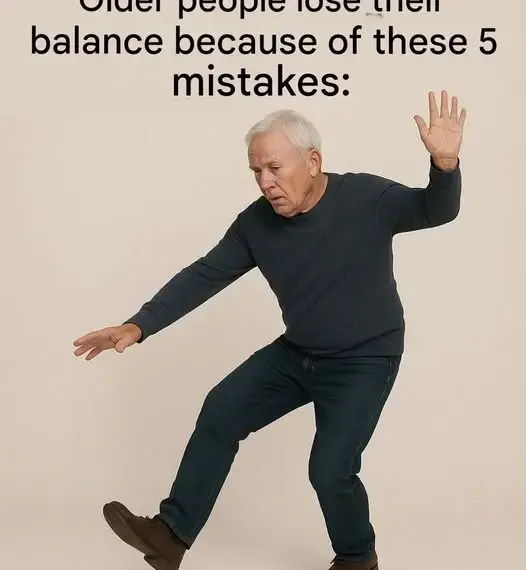
Losing your balance, fearing you will stumble, feeling less sure of your footing… These little warning signs sometimes develop gradually over the years. We often think it is “normal,” inevitable, almost a rite of passage linked to age.
And yet. Very often, it is the small, almost invisible details of daily life that work against us. Seemingly insignificant habits, easy to correct, but with a huge impact on our well-being.
What if everything started there, to preserve our balance over time?
1. A Sedentary Lifestyle That Gradually Weakens the Body
Sitting for long periods, limiting movement, or postponing physical activity may seem comfortable… but the body does not like inactivity. The muscles in the legs, back, and abdomen are essential for feeling stable. When they are underused, a feeling of insecurity can gradually develop.
The good news: There is no need to run a marathon. A daily walk of 20 to 30 minutes, a few stretches morning and evening, or gentle disciplines like yoga or tai chi are enough to improve coordination and self-confidence.
Activity Benefit for Balance
Daily walking (20–30 min) Strengthens leg muscles
Morning/evening stretches Maintains flexibility
Yoga or tai chi Improves coordination and body awareness
Pro tip: Start with simple movements, then gradually increase duration or frequency to avoid unnecessary fatigue.
2. Poorly Chosen Shoes That Complicate Every Step
We do not always think about it, but what we wear on our feet greatly influences our stability. Shoes that are too wide, smooth soles, or slippers that are too soft can transform an ordinary floor into a slippery surface.
What to Look For in a Safe Shoe
Feature Why It Matters
Closed toe and heel Provides full foot support
Non-slip sole Reduces risk of slipping
Good heel support Prevents foot from sliding inside the shoe
Secure fit (not too loose) Maintains stability with each step
Ideal choice: Closed, comfortable shoes with a non-slip sole and good heel support. At home or outdoors, prioritize safety over style—without sacrificing elegance. Feeling well-shod directly contributes to reducing the risk of falls.
3. An Unbalanced Diet and Dehydration Are Often Underestimated
When the body lacks energy or hydration, it sends clear signals: fatigue, lightheadedness, and decreased energy. Over time, these signs can negatively impact overall health and vitality.
The Hydration Habit
Drinking water regularly throughout the day is a simple but essential habit. Dehydration can cause:
Dizziness
Drop in blood pressure
Muscle weakness
Confusion
The Balanced Plate
A varied plate rich in the following supports muscles and overall health:
Food Group Examples
Fruits and vegetables Berries, leafy greens, citrus
Whole grains Oats, brown rice, quinoa
Protein sources Lean meat, fish, eggs, legumes
Healthy fats Olive oil, nuts, avocado
If in doubt: Seek advice from a healthcare professional to adjust your habits with peace of mind.
4. An Unsuitable Interior Multiplies Minor Risks
The home is supposed to be a haven, but it can sometimes conceal hidden dangers. Poorly secured rugs, insufficient lighting, bulky furniture—these details increase the risk of imbalance.
Common Household Hazards
Hazard Risk
Loose rugs Tripping and slipping
Poor lighting Difficulty seeing obstacles
Cluttered walkways Increased chance of stumbling
Lack of grab bars No support in high-risk areas (bathroom)
Simple Safety Adjustments
Secure rugs with non-slip backing or double-sided tape
Improve lighting in hallways, staircases, and entryways
Clear walkways of furniture, cords, and clutter
Install grab bars in the bathroom (near toilet and shower)
Pro tip: Start with the most frequently used areas, such as the bedroom and bathroom, for an immediate improvement in everyday comfort.