Read more…
7 Things Only False Friends Do
7 Things Only False Friends Do
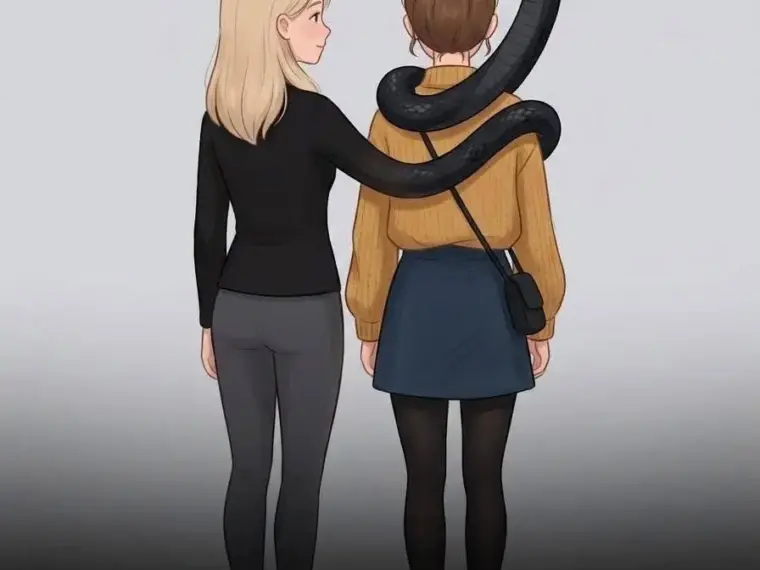
Friendships are the foundation of our social lives, but not all connections are created equal. Knowing the difference between a true friend and a “false friend” is crucial for your well-being. Here are seven behaviors that are red flags for a toxic or fake friendship:
1. They Are Only Present When They Need Something: A false friend tends to vanish when times are tough for you, but they are suddenly very available when they need a favor, money, or a shoulder to cry on….@@
2. They Are Jealous of Your Success: Instead of celebrating your milestones, a false friend will minimize your achievements or find a way to make the conversation about their own perceived failures or luck.
3. They Don’t Respect Your Boundaries: Whether it’s showing up unannounced, ignoring your requests for space, or pushing you to do things you aren’t comfortable with, false friends show little regard for your personal limits.
4. They Gossip About You Behind Your Back: Trust is the bedrock of friendship. If you find that they share your deepest secrets with others or talk about you in a negative light when you aren’t around, they are not a true friend.
5. They Make You Feel Bad About Yourself: A true friend lifts you up. If you consistently feel drained, insecure, or “less than” after spending time with someone, it is a sign that they do not have your best interests at heart.
6. They Are Constant Competitors: A healthy friendship is a partnership. If a person views every interaction as a competition—who has the better job, who looks better, who has more success—it creates a hostile environment rather than a supportive one.
7. They Never Take Responsibility: When things go wrong in the friendship, a false friend will almost always deflect blame onto you, refusing to apologize or acknowledge their role in any misunderstanding.
The Bottom Line:
True friendship is built on mutual respect, trust, and support. If you recognize these patterns in someone you know, it may be time to re-evaluate whether that person truly deserves a place in your life.