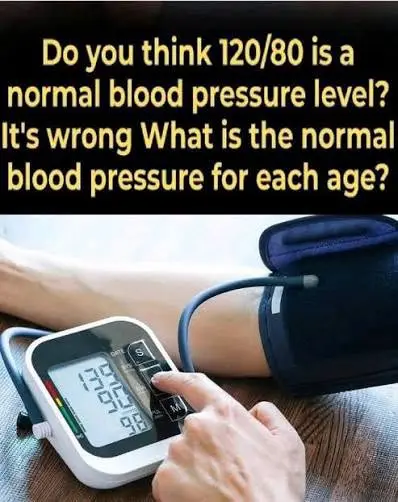
Normal Blood Pressure by Age …What Your Numbers Really Mean
Blood pressure is one of the most important indicators of your overall cardiovascular health. It measures the force of blood pushing against your artery walls as your heart beats and rests.
While 120/80 mmHg is often considered the ideal blood pressure for most adults, it’s important to understand that blood pressure naturally changes throughout life. Even so, getting older does not mean high blood pressure is inevitable.
Knowing your numbers—and what they mean—can help you protect your heart, brain, kidneys, and blood vessels for years to come.
Understanding Blood Pressure Readings
A blood pressure reading contains two numbers:
- Systolic pressure (top number): The pressure in your arteries when your heart contracts.
- Diastolic pressure (bottom number): The pressure when your heart relaxes between beats.
For example, a reading of 120/80 mmHg means:
- 120 = systolic pressure
- 80 = diastolic pressure
Both numbers are important when assessing heart health.
Anatomy
Blood Pressure Categories for Adults
According to current guidelines from major cardiovascular organizations, blood pressure is generally classified as follows:
| Category | Systolic | Diastolic |
|---|---|---|
| Normal | Less than 120 | and less than 80 |
| Elevated | 120–129 | and less than 80 |
| High Blood Pressure (Stage 1) | 130–139 | or 80–89 |
| High Blood Pressure (Stage 2) | 140 or higher | or 90 or higher |
| Hypertensive Crisis | Higher than 180 | and/or higher than 120 |
A hypertensive crisis requires immediate medical evaluation, especially if accompanied by symptoms such as chest pain, severe headache, vision changes, confusion, or shortness of breath.
Blood Pressure in Children and Teenagers
Blood pressure is interpreted differently in children than in adults.
Heart & Hypertension
Instead of fixed numbers, healthcare providers compare readings with standardized charts based on:
- Age
- Height
- Sex
Typical average ranges include:
| Age | Approximate Blood Pressure |
|---|---|
| 1–3 years | 80–110 / 50–70 mmHg |
| 4–6 years | 85–115 / 55–75 mmHg |
| 7–10 years | 90–120 / 60–80 mmHg |
| 11–13 years | 95–125 / 60–80 mmHg |
| 14–18 years | 100–135 / 65–85 mmHg |
A pediatric healthcare provider can determine whether a child’s blood pressure falls within a healthy range.