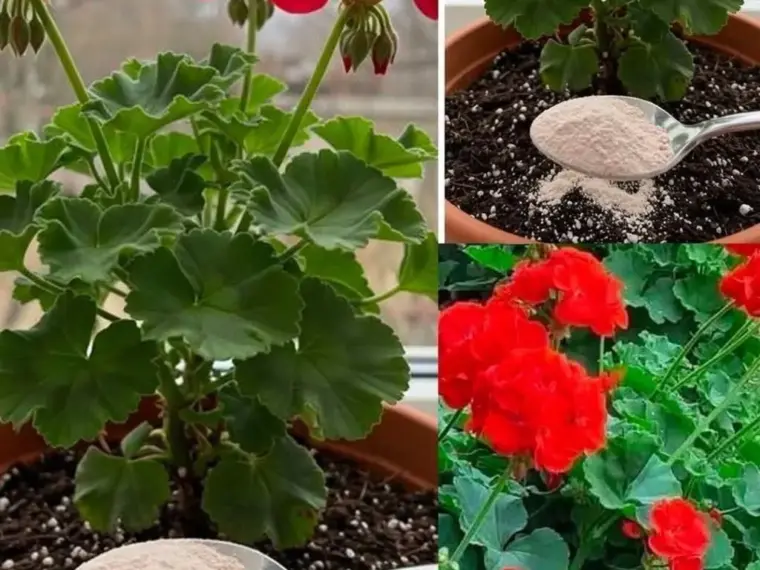
Geraniums are among the most popular flowering plants for balconies, windowsills, patios, and gardens. Their colorful blooms and attractive green leaves can brighten up almost any space. However, when a geranium stops flowering or begins producing mostly leaves, it may need a little extra attention.
A good combination of sunlight, proper watering, well-draining soil, regular feeding, and pruning can encourage healthier growth and more flowers throughout the growing season.
Give Your Geranium Plenty of Sunlight
Geraniums generally perform best when they receive several hours of bright sunlight each day.
A sunny window can work well for indoor plants, while outdoor geraniums should be placed somewhere with plenty of light.
If the plant receives too little light, it may become tall and leggy and produce fewer flowers.
Don’t Overwater
One of the most common mistakes with geraniums is keeping the soil constantly wet.
Allow the upper portion of the soil to dry slightly before watering again. When you water, do so thoroughly and allow excess water to drain away.
A pot with drainage holes is essential.
Signs that watering may be excessive include:
- Yellowing leaves
- Soft stems
- Constantly wet soil
- Poor growth
- Root problems
Feed Your Geranium Regularly
Geraniums use nutrients as they produce leaves and flowers throughout the growing season.
A balanced fertilizer or a fertilizer formulated for flowering plants can provide nutrients needed for healthy growth. Follow the product’s instructions carefully rather than applying large quantities.
More fertilizer does not automatically mean more flowers. Excess fertilizer can damage roots and cause excessive leafy growth.
What About the White Powder Shown in the Image?
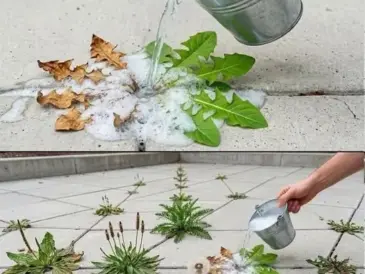
The image appears to show a fine white powder being added to the soil. If the powder is baking soda, it should not be treated as a guaranteed fertilizer or flowering booster.
Baking soda is primarily sodium bicarbonate and does not provide a complete set of nutrients that geraniums need. Applying too much can also increase the sodium content or alter soil conditions in undesirable ways.
For reliable nutrition, use a proper plant fertilizer rather than depending on kitchen ingredients.
If you want to experiment with any homemade gardening treatment, use only a small amount and avoid applying unknown powders directly to the soil.