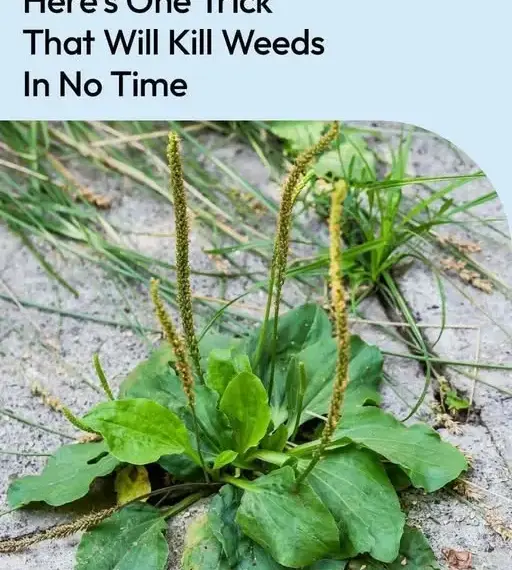
Vinegar can help get rid of weeds, but there is a catch.
Everyone hates weeds. If you walk down the gardening aisle at your local nursery or big box store, you will see all sorts of weed killers to choose from. Homemade concoctions for killing weeds are popular too. Natural weed killer made with household vinegar have become especially popular on the internet.
But if you just fill a bottle with regular vinegar from under your sink and start spraying weeds, you are going to be disappointed.
If you are going to use vinegar as a weed killer, there are a few things you need to know first.
Don’t Use Household Vinegar
The typical household vinegar is great for cleaning, but it is not strong enough to kill weeds. White vinegar usually contains five percent acetic acid. To kill weeds, you will need something stronger.
Vinegar Type Acetic Acid Content Effectiveness on Weeds
Household vinegar 5% Not effective
Horticultural vinegar 20% Effective on young, annual weeds
Important: Horticultural vinegar is particularly strong. If you are going to use it, you will need to wear gloves and eye protection. Some horticultural vinegars come premixed and ready to use, which is probably the easiest way to go.
What to Know About Vinegar Weed Killer
While there are other natural, safe options for taking care of those pesky weeds, if you decide to use vinegar, there are a few things you need to keep in mind.
Consideration Detail
Roots are not killed Vinegar only kills the parts of the plant it touches (contact herbicide)
Annual vs. perennial Vinegar-based herbicides will only kill annual weeds, not perennials
Temporary effect on tough weeds It might temporarily take care of poison ivy or ragweed, but those plants will be back soon enough
Legal note If you purchase horticultural vinegar that is not labeled as a weed killer, it is illegal to use it as a weed killer
Vinegar is a chemical Treat it as such—you will need safety gear for handling herbicidal versions with 20% or more acetic acid
Off-target damage Vinegar can kill the plants you do not want to harm, so be careful where you spray it
Wind Do not use it on a windy day
Surface damage Be careful with strong vinegar around your patio—it can discolor certain kinds of decking materials
How to Make Your Own Vinegar Weed Killer
If you do want to make your own vinegar weed killer, the main thing to remember is that you will have to use vinegar that is stronger than the household variety. You can buy concentrated vinegar that is 20 percent acetic acid.
Beyond the vinegar, you will also need dish soap, salt, and a spray bottle.
Ingredient Purpose
Acetic acid (vinegar) Breaks down plant cell walls
Salt Works with acetic acid to dry out the plant
Dish soap Breaks down the outer coat of the plant (cuticle), helping the vinegar penetrate
DIY Weed Killer Recipe
Ingredient Amount
Horticultural vinegar (20% acetic acid) 1 gallon
Dish soap 1 ounce
Salt 1 cup
Directions
Step Action
1 Mix the vinegar, salt, and soap together
2 Pour into a spray bottle
3 Spray directly onto weeds
4 Apply on a sunny day with no wind
Why sunny and calm matter: The sun helps the vinegar dry out the weed. Waiting for a windless day also means your spray will not inadvertently land on other plants.
Ways to Get Rid of Weeds Naturally
Method Effectiveness Best For
Hand pulling Most effective All weeds (especially after rain)
Digging with a patio knife or garden hoe Effective for deep-rooted weeds Stubborn, established weeds
String trimmer Good for large areas Weeds in hard-to-reach spots
Vinegar spray Effective for annual weeds Young weeds; sunny days
The best natural method: There is still nothing more effective than pulling them out by hand, root and all. It is a little easier to do after it rains. For the really stubborn ones, you can dig them out with a patio knife or a garden hoe.
Prevention: The Best Defense
An ounce of prevention goes a long way toward keeping weeds out, too. While there is no way to keep weeds out entirely, understanding soil health and planting wisely can prevent a complete takeover.
Prevention Strategy How It Helps
Maintain healthy lawn Dense grass crowds out weeds
Apply mulch Blocks sunlight from weed seeds
Water deeply and infrequently Encourages deep roots in desired plants
Mow at proper height Taller grass shades soil and prevents weed germination
Regular soil testing Ensures proper pH and nutrient balance
Quick Reference: Vinegar Weed Killer Do’s and Don’ts
Do Don’t
Use 20% horticultural vinegar Use household 5% vinegar
Wear gloves and eye protection Spray without protective gear
Apply on sunny, windless days Spray on windy or rainy days
Spray directly on weeds Spray desired plants
Use as a spot treatment for annual weeds Expect it to kill deep-rooted perennials
Combine with salt and dish soap Expect plain vinegar to be effective
Treat vinegar as a chemical Assume it is completely harmless
Final Thoughts
Vinegar can be an effective natural weed killer—but only if you use it correctly. Household vinegar will not work. You need horticultural vinegar with at least 20% acetic acid, and you need to understand its limitations.
Vinegar Weed Killer Is Good For… Vinegar Weed Killer Is Not Good For…
Annual weeds Perennial weeds (roots will regrow)
Young, tender weeds Established, woody weeds
Spot treatment in driveways and patios Large lawn areas
Sunny day applications Rainy or humid conditions
Remember: Vinegar is a chemical, even if it is natural. Treat it with respect, use proper safety gear, and apply it carefully. When used correctly, it is a valuable tool in your weed-fighting arsenal.
A weed-free lawn is a marathon, not a sprint. Vinegar can help you win a battle, but consistent care wins the war.