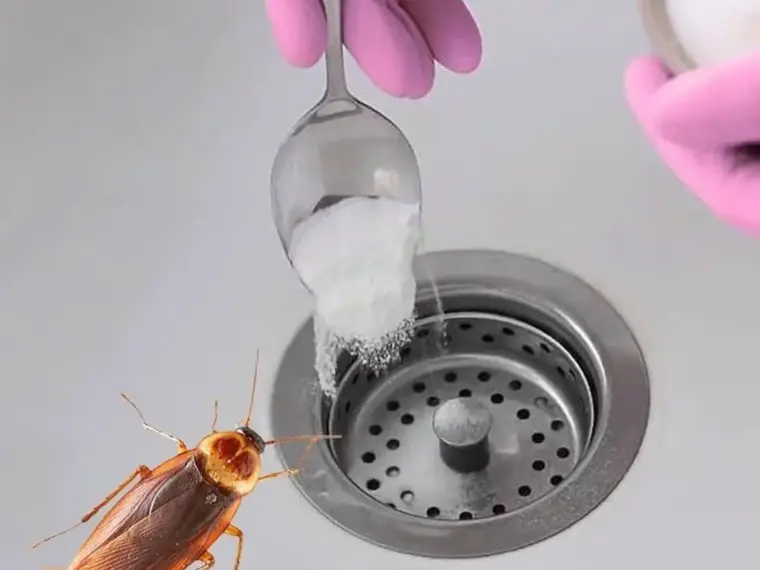
Cockroaches are among the most unwelcome household pests. Because they seek food, water, and shelter, kitchens, bathrooms, and drains often become their favorite hiding places. Social media is full of “one-step” tricks that promise to make cockroaches disappear forever, but the reality is that long-term control requires a combination of good sanitation and proven pest prevention methods.
Here’s what you should know.
Step 1: Do Cockroaches Really Come Up Through Drains?
Sometimes, yes.
Certain species can travel through plumbing systems, especially if:
- Floor drains are rarely used and dry out.
- Drain covers are damaged or missing.
- Pipes have cracks or gaps.
- Moisture and food residue collect inside drains.
However, cockroaches also enter homes through:
- Cracks in walls
- Gaps under doors
- Windows
- Cardboard boxes and grocery bags
- Plumbing and utility openings
Step 2: Does Pouring Powder Into the Drain Eliminate Cockroaches?
Many viral posts show people pouring salt, baking soda, detergent, or other powders into drains.
While cleaning drains can remove food residue and unpleasant odors, there is no strong scientific evidence that pouring common household powders into a drain will permanently eliminate cockroaches.
If cockroaches are living elsewhere in the home, they are likely to return.
Step 3: Keep Drains Clean
Regular drain maintenance can make your home less attractive to pests.
Simple Drain Cleaning Method
Ingredients
- ½ cup baking soda
- 1 cup white vinegar
- Hot (not boiling) water
Instructions
- Pour the baking soda into the drain.
- Slowly add the vinegar.
- Allow the mixture to fizz for 10–15 minutes.
- Flush with hot water.
- Repeat weekly if needed.
This helps clean away organic buildup but should not be considered a cockroach treatment.
Step 4: Eliminate Food and Water Source
Cockroaches can survive on tiny amounts of food.
To reduce their attraction:
- Wipe kitchen counters daily.
- Sweep up crumbs.
- Store food in airtight containers.
- Wash dirty dishes promptly.
- Empty trash regularly.
- Repair leaking faucets and pipes.
- Avoid leaving pet food out overnight.
Step 5: Seal Entry Points
Prevent cockroaches from entering by sealing:
- Cracks around pipes
- Gaps beneath doors
- Openings around windows
- Wall crevices
- Utility line openings
Installing drain covers and keeping floor drain traps filled with water can also help reduce access.
Step 6: Use Proven Control Methods
If you already have cockroaches indoors, effective options include:
- Gel bait stations
- Sticky monitoring traps
- Boric acid products used according to label directions
- Professional pest control for larger infestations
These methods have much stronger evidence than most home remedies.
Step 7: Natural Repellents
Some people use natural scents such as:
- Bay leaves
- Peppermint oil
- Cedar
- Citrus peels
These may temporarily discourage some insects, but they will not eliminate an established infestation.
Step 8: When to Call a Professional
Consider professional pest control if:
- You see cockroaches during the daytime.
- They keep returning despite cleaning.
- You notice droppings or egg cases.
- The infestation spreads to multiple rooms.
Early treatment is often faster, more effective, and less expensive than waiting for the problem to grow.
The Bottom Line
Cockroaches are attracted by food, water, and shelter—not just drains. Although keeping drains clean is a good household habit, there is no simple powder or single trick that will permanently stop cockroaches from coming back.
The best long-term strategy combines good sanitation, sealing entry points, reducing moisture, and using proven pest-control methods when needed.