That nest will not know what hit it!
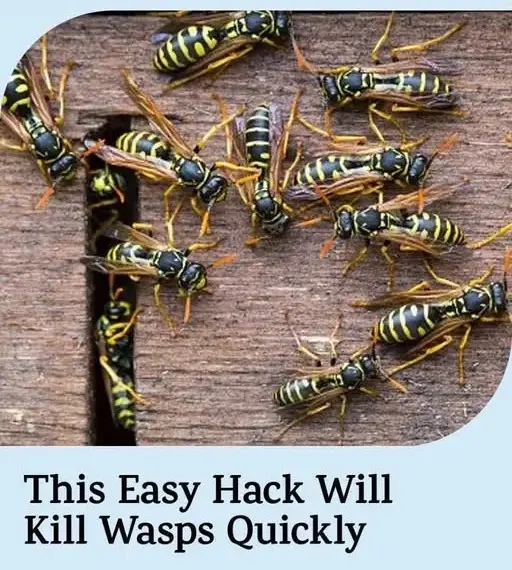
Now that the sun is out, it is time for all your favorite outdoor activities: grilling, pushing the kids on the swing set, and tossing cornhole in the front lawn. But nothing is worse than reaching to grab your long-stowed equipment to discover a new pest has taken up residence in your yard: a wasp.
Of course, you want to get rid of the wasp and their nest, but no one wants to get stung or breathe in harmful pesticides. So what is a handyman to do?
Well, fortunately for us, a new TikTok hack has the answer. This DIY wasp killer is easy, quick, cheap, and—above all—will not expose you to harsh chemicals. Here is what you need to know to make it yourself.
How to Make the Natural Wasp Killer
TikTok handyman and entrepreneur Ceith Griffith (@ceithgriffith) developed a simple wasp-killing spray that uses just two ingredients: water and Dawn dish soap.
While this is not exactly a 100% “natural” wasp killer, it is not toxic to humans—especially in comparison to store-bought chemical pesticides.
Ingredients and Supplies
Item Amount
Empty spray bottle 1
Water 10 ounces
Dawn dish soap 2 ounces
Instructions
Step Action
1 Add 10 ounces of water to the spray bottle
2 Add 2 ounces of Dawn dish soap
3 Close the bottle and shake to combine
Frothy bubbles are OK—they actually help the mixture cling to the wasp and nest.
How to Use the Natural Wasp Killer
Step Action
1 Aim the spray bottle directly at the wasp or wasp nest
2 Spray thoroughly—saturate the nest completely
3 Continue spraying until the wasp is down and the nest is soaked
Pro tip: In the video, Griffith sprays a tiny nest about 35 times. You want to really saturate the nest with the mixture.
What happens next: After handily spraying the wasp and nest, the wasp will die, and the nest will dissolve. Easy peasy!
Why This Works
Ingredient How It Works
Dish soap Breaks down the wasp’s exoskeleton and clogs their breathing tubes (spiracles), causing suffocation
Water Carries the soap into the nest and onto the wasps
Mixture Weight of the solution weighs down the nest and makes it easier to remove
This method is effective because soapy water penetrates the wasp’s body, breaking the surface tension and causing them to drown or suffocate almost instantly.
What If I Have a Huge Wasp Nest or Many Wasps?
Now it is time to pull out the big guns.
Situation Recommended Action
Small nest DIY soap spray
Large nest or multiple wasps Consider professional removal
Bald-faced hornets Follow specific instructions for dealing with aggressive species
Queen wasp Spring is the ideal time to eliminate the queen and control the hive
Important Precautions
Do Don’t
Spray at dusk or dawn when wasps are less active Spray during the day when wasps are most aggressive
Wear long sleeves and pants Wear shorts or open-toed shoes
Keep a safe distance Stand directly under the nest
Have an escape route planned Trap yourself in a corner
Confirm you are dealing with wasps, not bees Harm beneficial bees
How to Tell Wasps Apart from Bees
Feature Wasps Bees
Body Smooth, shiny, narrow waist Hairy, rounder, wider waist
Color Bright yellow and black, or black and white Brown, golden, and black
Stinger Can sting multiple times Stings once, then dies
Nest Papery, exposed, often in eaves or ground Waxy, enclosed, often in cavities
Aggression More aggressive Generally docile
Important: Honeybees are essential pollinators and should be protected. If you are unsure whether you have wasps or bees, consult a professional before taking action.
When to Call a Professional
Situation Why Professional Help Is Needed
Large nest DIY methods may not reach all wasps
Nest inside a wall Requires structural knowledge and specialized tools
Allergic to stings Even a single sting can be dangerous
Uncertain about species Avoid harming protected bees or misidentifying
Preventing Future Wasp Nests
Prevention Strategy How It Helps
Seal cracks and gaps Prevents wasps from entering walls and attics
Keep trash covered Removes food sources
Clean up fallen fruit Eliminates attractants
Fill ground holes Removes potential nesting sites
Use decoy nests Some wasps are territorial and avoid areas with existing nests
Install screens Covers vents and openings
First Aid for Wasp Stings
If you do get stung:
Action Why
Remove the stinger (if present) Reduces venom injection
Wash the area with soap and water Prevents infection
Apply a cold compress Reduces swelling and pain
Take an antihistamine Relieves itching and swelling
Seek emergency help if you have allergic symptoms Difficulty breathing, swelling of face/throat, rapid heartbeat
Signs of a severe allergic reaction (anaphylaxis):
Difficulty breathing
Swelling of the face, lips, or throat
Dizziness or confusion
Rapid heartbeat
Hives or rash spreading beyond the sting site
If you experience any of these symptoms, call emergency services immediately.
Quick Reference: DIY Wasp Killer at a Glance
Aspect Details
Ingredients 10 oz water + 2 oz Dawn dish soap
Spray bottle Any empty spray bottle
Application Spray directly on nest; saturate thoroughly
Timing Dawn or dusk when wasps are less active
Safety Wear protective clothing; have an escape route
Effectiveness Kills wasps quickly; dissolves nest
Not for Large nests; aggressive species; severe infestations
Final Thoughts
This simple, two-ingredient wasp killer is a game-changer for dealing with small nests around your home. It is:
Cheap – uses common household ingredients
Safe – non-toxic to humans and pets
Effective – kills wasps on contact
Quick – works in seconds
However, it is important to know its limits. For large nests, aggressive species, or wasps in hard-to-reach areas, do not hesitate to call a professional. Your safety is worth more than the cost of a pest control service.
A wasp nest near your home is a nuisance. But with this simple DIY spray, you can handle small problems quickly and safely—without harsh chemicals or expensive services.